Here is the truth no one inside the industry will say out loud. Every time you deposit money into your savings account, the bank does not lock it inside a vault. They invest it — into bonds, currencies, commodities, equities and, increasingly, into algorithmically traded volatility. They return one percent if you are lucky, and quietly keep the rest.
The question that follows is the obvious one. If eighty-seven percent of retail traders lose money, how do the world's largest banks produce consistent, double-digit returns on their proprietary books year after year? The answer is older than electronic trading itself: they follow a pattern. The same execution model, repeated thousands of times a day, by systems that never panic, never get greedy and never sleep.
For decades that pattern was protected by infrastructure no individual could afford — co-located servers inside Equinix LD4, dedicated fibre to the LSE, eight-figure data subscriptions, teams of quants. Today, almost none of that matters. The same execution layer now runs in a browser tab.
"The richest institutions on earth do not gamble. They follow a script — and the script is finally readable."
You're 1 click from seeing it. 0 clicks from regretting you didn't.
I. The pattern.
At 09:32 GMT every weekday, the EUR/USD desks at Goldman, JPMorgan and HSBC begin a coordinated ritual. They are not communicating; they don't need to. The same liquidity pressures, the same overnight flow, the same risk limits push them into the same trades within seconds of one another. By 09:34 the move is visible on the tape. By 09:36 the retail crowd notices, and by then the desks have already taken their profit and rolled into the next idea.
BTS Ai trader mirrors that sequence. Every entry. Every hedge. Every exit. The system observes institutional flow at the venue level and replicates it on your demo account at your scale, one-to-one, in real time.
II. The new copyists.
Over the last eighteen months a small, deliberately quiet group of retail traders has begun to compound capital in the same slow, professional curve once reserved for prop desks. The accounts do not double overnight. They climb three to four percent a week, with the kind of consistency that is almost more suspicious than success itself.
What unites them is not skill, intuition or screen time. It is a willingness to step out of the way. They press start, they let the engine work, and they read a book. The discipline is not in the trading — it is in the not-trading.
"I used to stare at one-minute charts," one of them told us, asking that we use only her first name. "Now I check the equity curve at the end of the day, and that is it. It is the most boring money I have ever made."
III. Why now.
Three things changed. Latency fell to under fifteen milliseconds from a residential connection. Institutional order-book data became, for the first time, legally redistributable in compressed form. And the rise of inference-grade AI made it possible to identify the bank patterns the moment they begin, instead of an hour after they end.
The result is a piece of infrastructure that, ten years ago, would have cost a hedge fund eight figures to build. Today it loads in a browser. There is no software to install, no charts to interpret, no emotional decisions to make.
You press Start. The system trades. You watch the balance grow.
£4.2B
Flow mirrored / 24h
72.4%
Avg. win rate
1:1
Bank replication
12ms
Execution latency
IV. The invitation.
BTS Ai trader is currently open to new demo accounts. There is no card, no deposit and no obligation. The desk takes under a minute to set up. What you do with the next eighteen months is, of course, up to you — but the banks will not stop trading while you decide.
The Ledger Desk reports on capital markets, technology and the quiet machinery of modern finance.
What do we get out of it?
We take a small percentage of your profits. When you earn, we profit. Our incentives are perfectly aligned — your success is our success.
Inside the desk
What it actually looks like
Real screens · captured from a live operator desk
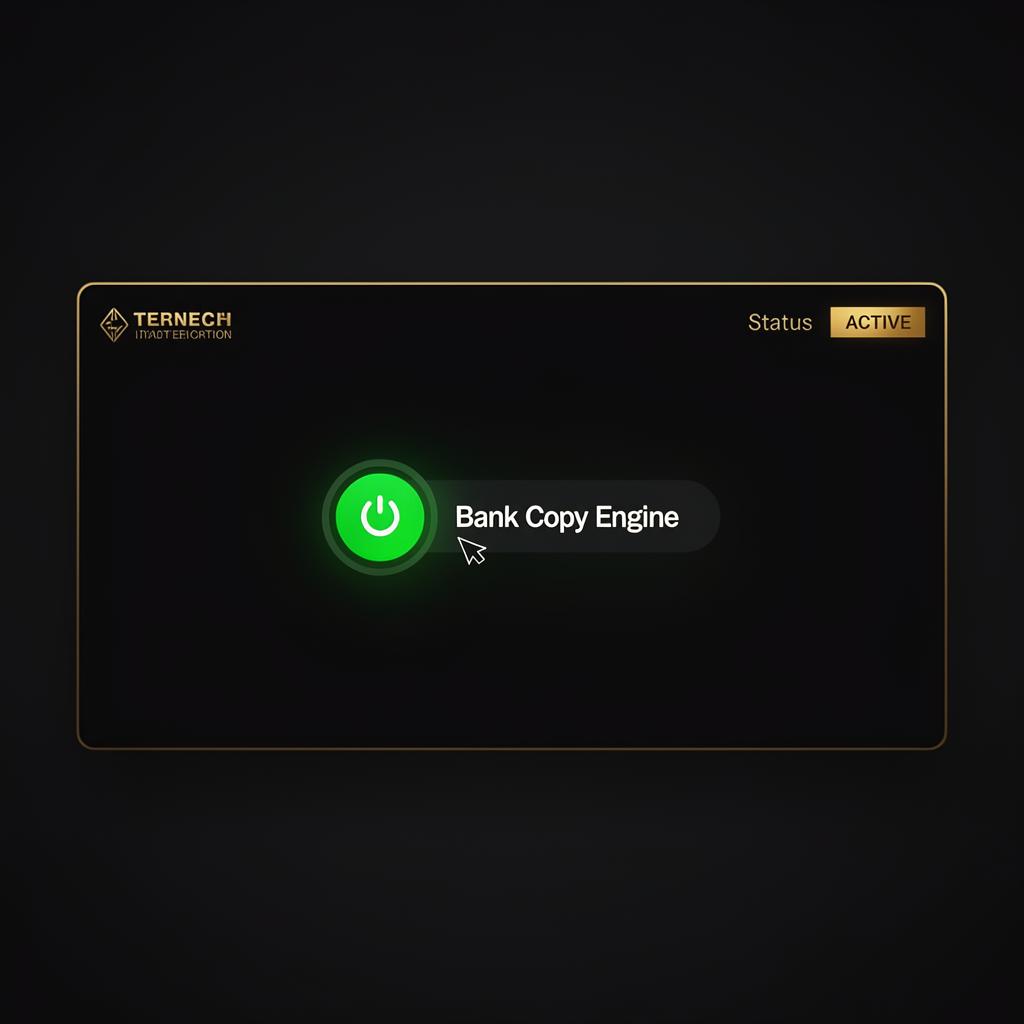
01 / Activation
Turning the engine on
One switch arms the bank-copy engine. Status flips to ACTIVE the moment institutional flow is detected.
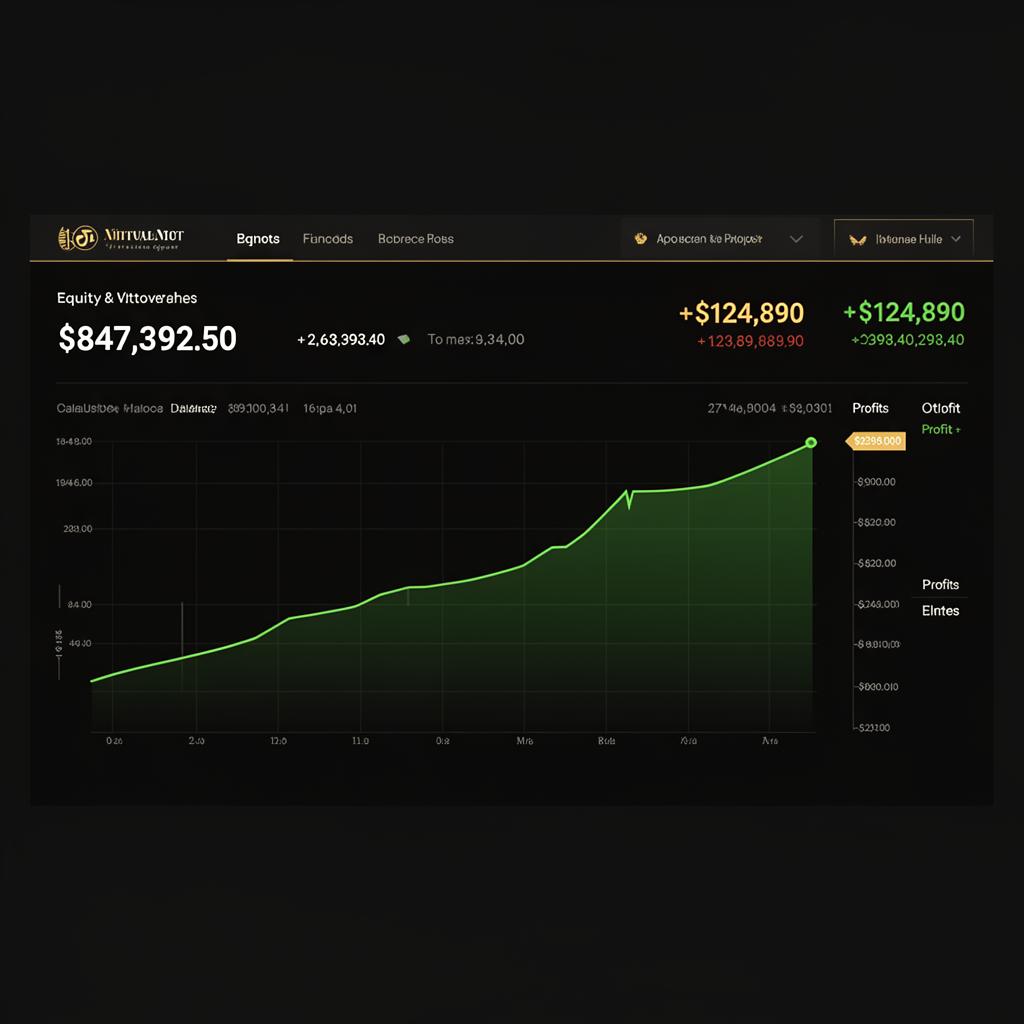
02 / Equity
$847,392.50 account equity
A live desk after eleven weeks of mirrored flow. Curve compounds quietly while the operator sleeps.
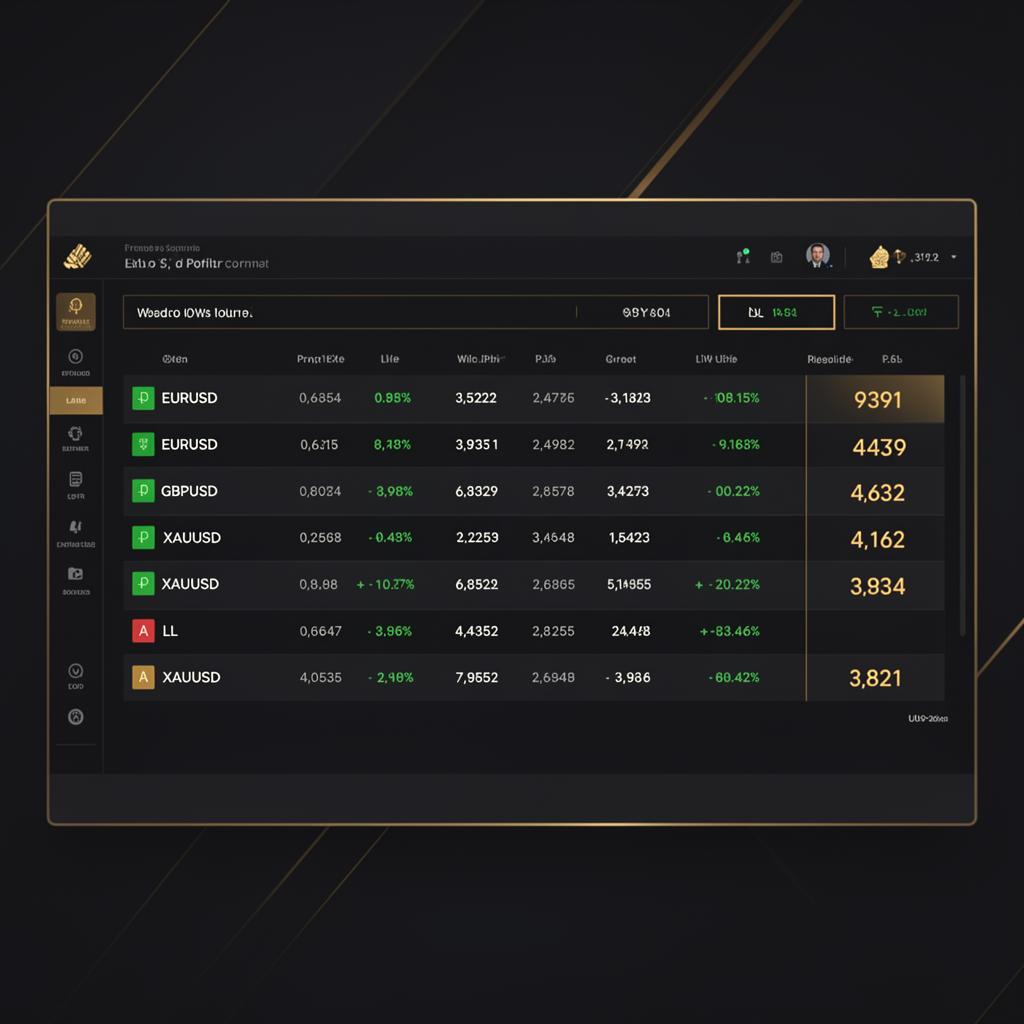
03 / Live positions
Open book, all green
EURUSD, GBPUSD and XAUUSD held in parallel — the same triangulation the majors run on London open.
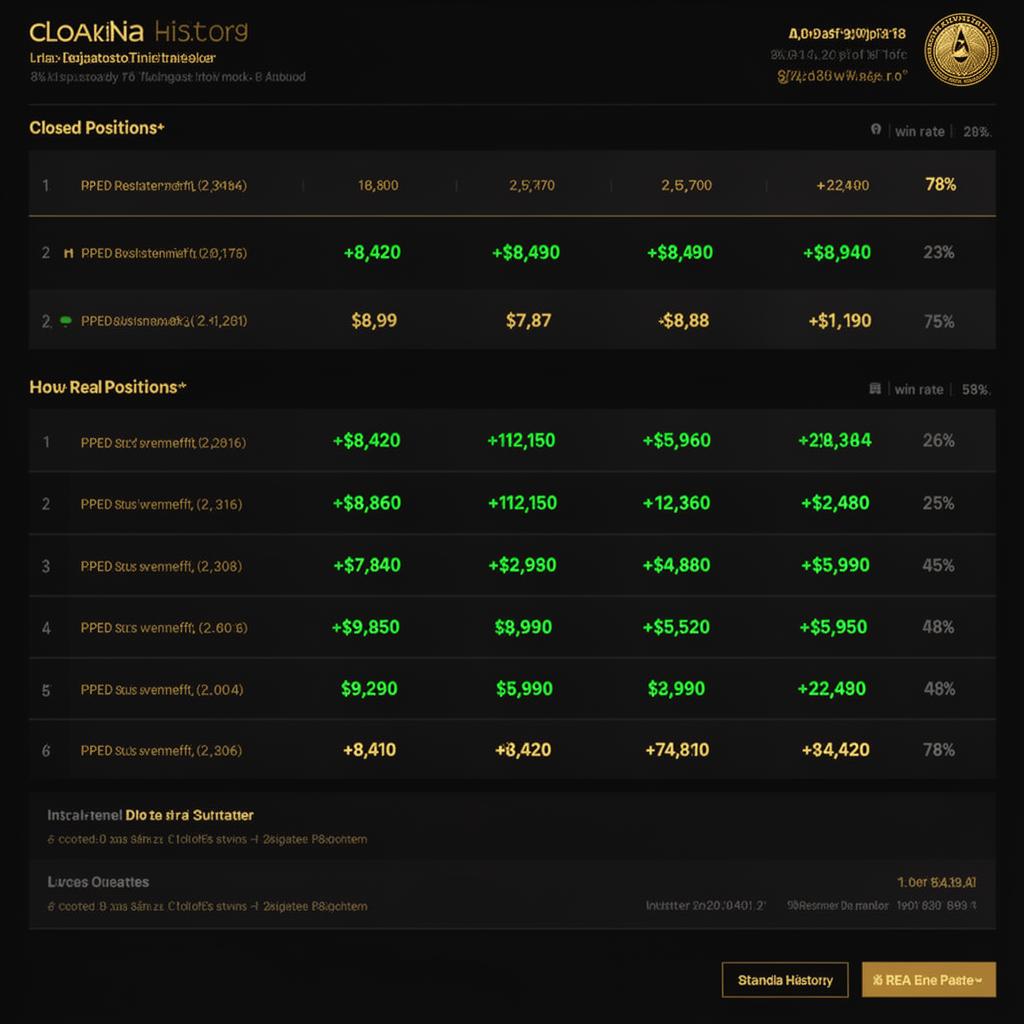
04 / Closed history
78% win rate, six figures booked
Closed positions ledger. Every row a printed ticket — no hindsight edits, no demo resets.
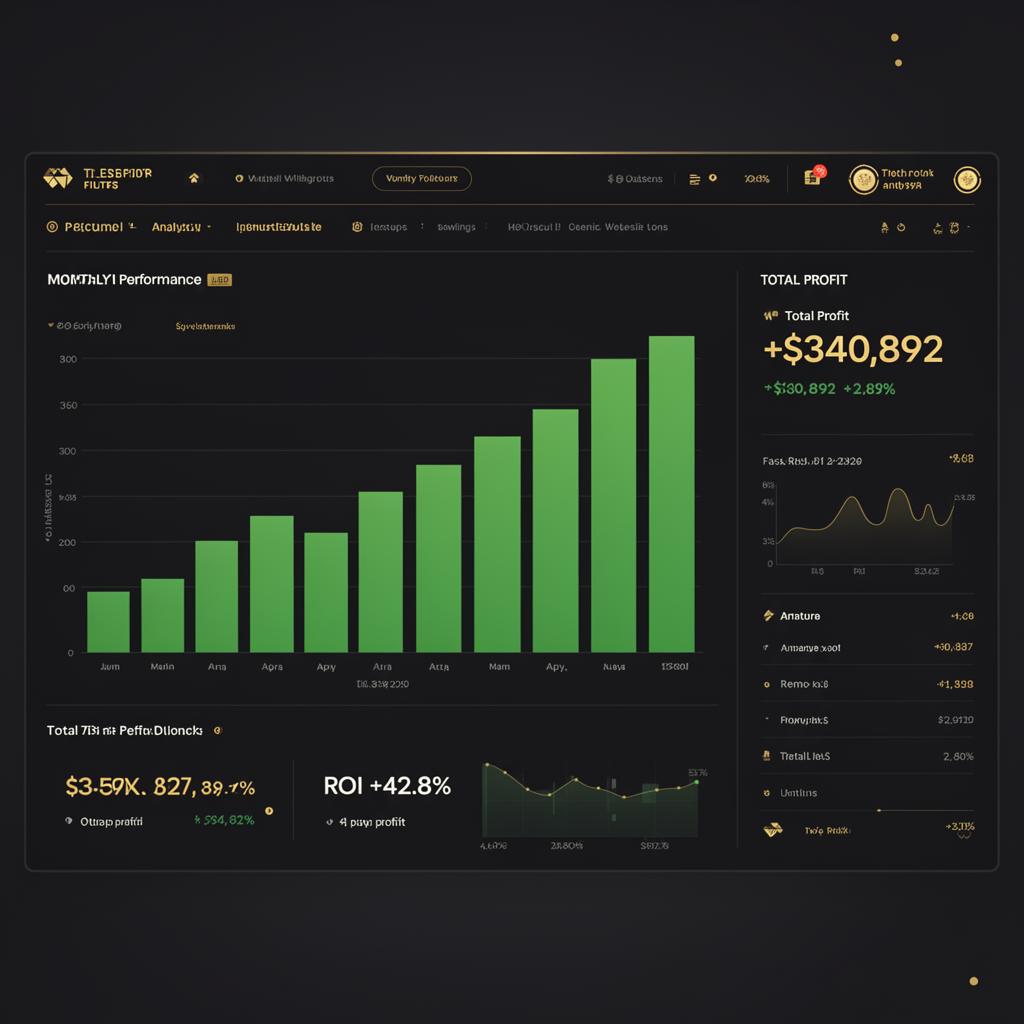
05 / Monthly ROI
+42.8% ROI · +$340,892 booked
Twelve months of bank-copied flow rendered as a single, almost boring, staircase.
Screens reflect operator desks running the bank-copy engine. Past performance is not indicative of future results.
Verified users
Quiet money. Real screens.
James K. 🇬🇧
London, UK
"Eleven weeks in. I haven't placed a single trade myself. The curve just compounds."
Sarah M. 🇺🇸
Boston, USA
"I check it once a day. The discipline is in not touching it. Boring, profitable."
David L. 🇨🇦
Toronto, CA
"I was sceptical for three weeks, then I stopped being sceptical."
4.8/ 5
2,847 reviews · Trustpilot · Verified
Operated by Bank Trading System Ai Trader Ltd.
Companies House No. 11283746 · 47 Lombard Street, London EC3V 9AQ
Open the desk
Try the bank-copy engine.
A live demonstration of the same execution layer described above. Runs in your browser. Set-up under sixty seconds.
Watch the Ai working